04 Feb 2026

More in Politics

Supreme Court Upholds Forfeiture of Public Officials’ Ill-Gotten Wealth Regardless of Title Holder
The Supreme Court (SC) affirmed that any wealth a public official acquires beyond their legitimate earnings during service is presumed to be ill-gotten and may be confiscated, irrespective of whether such assets are held under the names of third parties. This interpretation stems from the provisions of Republic Act No. 1379, also known as the Forfeiture Law. In a decision penned by Associate Justice Japar B. Dimaampao and released on November 20, the Court emphasized that properties disproportionate to a public servant’s lawful income are subject to forfeiture, regardless of ownership registration. The ruling underscored that attempts to obscure ownership through registration in others’ names will not thwart the presumption of ill-gotten wealth once true ownership can be established. The SC stated, \"RA 1379 would be rendered ineffectual if the registration of properties in the name of third persons would suffice to forestall the presumption under Section 2 of the law from arising.\" Furthermore, it clarified that proceedings involving unexplained wealth are exempt from bank secrecy provisions when bank deposits are implicated. This ruling came as the Court denied consolidated petitions from the heirs of the late Lt. Gen. Jacinto C. Ligot, former Armed Forces of the Philippines comptroller, who retired in 2004. The Office of the Ombudsman undertook a lifestyle investigation, revealing that Ligot’s declared assets from 1982 to 2003 did not reflect the extent of properties held under his name and that of close relatives. The Sandiganbayan found numerous undeclared properties linked to Ligot, his wife, children, sister, and brother-in-law—individuals allegedly acting as fronts to conceal Ligot’s assets. Notably, condominium units in Makati and Taguig appeared under relatives’ names, yet amortization and purchase payments were traced to Ligot and his wife. Additionally, the anti-graft court identified bank deposits and investments significantly exceeding Ligot’s lawful income, totaling approximately PHP 53 million, alongside PHP 102 million in ill-gotten properties. These assets were ordered forfeited. Ligot’s family contested the forfeiture, arguing the properties and funds were legitimately acquired and owned by relatives. However, the SC upheld the Sandiganbayan’s ruling, noting the absence of independent income sources for Ligot’s wife and children — making their ownership claims implausible. Regarding the condominium units, the SC affirmed that despite their registration under Ligot’s relatives, actual financial responsibility by Ligot and his family established true ownership. The Court reiterated the criteria for the presumption under Section 2 of RA 1379, requiring that: (1) the individual is a public official or employee; (2) they acquired a substantial amount of money or property during office tenure; and (3) such wealth is clearly disproportionate to their lawful income and legitimately obtained property. The SC’s final disposition states: \"The consolidated Petitions for Review on Certiorari in G.R. Nos. 257827, 258109, and 259593 are denied. The Feb. 3, 2021 Decision and the July 21, 2021 Resolution of the Sandiganbayan in Civil Case No. 0197 are affirmed. Further, the Petition for Review on Certiorari in G.R. No. 257940 is denied. The May 26, 2021 Decision and the Nov. 15, 2021 Resolution of the Sandiganbayan in Civil Case No. SB-13-CVL-0001 are likewise affirmed. So ordered.\"
Politics
|3 min read

Independent Commission for Infrastructure to Begin Live-Streaming Hearings for Greater Transparency
The Independent Commission for Infrastructure (ICI) is set to start live-streaming its hearings on platforms such as YouTube and Facebook beginning next week, the commission's Executive Director Brian Keith Hosaka announced during a press briefing on Friday. Hosaka emphasized the commission's commitment to transparency, acknowledging the public's demand for openness amid investigations into irregularities in infrastructure projects. \"The ICI recognizes the Filipino people's call for transparency. We stand with them in holding accountable those responsible for the misappropriation of billions in public funds through anomalous infrastructure initiatives,\" Hosaka stated. The commission decided to broadcast its proceedings live, except when executive sessions are necessary. According to Hosaka, government agencies involved in probing questionable flood control or infrastructure projects, as well as witnesses, may request closed-door meetings that the commission may approve if justified and if it does not impede the commission's work. Furthermore, the live-streaming protocols will apply retroactively to previous ICI sessions. Hosaka also noted that media organizations can rebroadcast the live streams after meeting commission requirements. Full guidelines on live streaming will be released to reinforce the commission's transparency drive. ICI Chairman Andres Reyes Jr. previously expressed support for the live streaming initiative, noting the importance of addressing the public's demand for openness. However, he highlighted the need to carefully design the rules and procedures for live streaming, ensuring the protection of sensitive information and the constitutional rights of participants. The move marks a significant step towards greater public engagement and oversight in addressing controversies involving public infrastructure funds.
Politics
|2 min read

Introducing a Social News Blog Focused on Politicians and Their Circles
A new social news blog has been launched that places politicians, along with their relatives, friends, and supporters, at the heart of its coverage. The platform provides content centered on the words, actions, preferences, and concerns of these individuals. Its mission is to entertain, provoke thought, and inform its audience throughout their reading experience. The site features sections such as navigation and background information to help visitors understand its purpose. Importantly, the views and opinions expressed by the authors do not necessarily reflect the official policies or stances of the parent company, MCD Multimedia Corporation. Additionally, all contributions represent the personal opinions of their respective authors and are not intended to offend or disparage any religion, ethnic group, organization, company, or individual. This new blog emphasizes a balanced and responsible approach to reporting on political figures and their interactions within social circles, fostering a dynamic and engaging platform for readers interested in the personal and professional dimensions of public figures.
Politics
|1 min read

Exploring Filipino Philosophy: The Quest for Original Thought and Identity
Philosophy, defined as the pursuit of fundamental questions concerning existence, knowledge, morality, values, and society, has a rich tradition in the Philippines dating back to the 16th century. Though formally introduced into the academic curriculum at the University of Santo Tomas in 1611, Filipino philosophizing as a reflective practice is considered a more recent development, gaining momentum in the 20th century through scholars such as Emerita Quito, a leading philosophy professor at De La Salle University. The core question arises: Can a Filipino be a philosopher? Philosophizing is not solely about possessing a degree but rather engaging deeply with philosophical inquiries, including those relevant to Filipino society, politics, and cultural identity. This approach encourages insights into the Filipino mindset and worldview. Debates persist among Filipino intellectuals regarding the definition and existence of Filipino philosophy. Alfredo Co of the University of Santo Tomas interprets it as the collective body of work produced by Filipino philosophers. Conversely, Emerita Quito emphasizes the indigenous worldview inherent to Filipino culture as the essence of Filipino philosophy. Both perspectives hold merit and shape the ongoing discourse. Understanding Filipino philosophy as grounded in indigenous cultural heritage might limit its scope but remains a valid endeavor, especially when informed by historical context. Works like Karl Gaspar’s studies on Mindanawon and Lumad philosophical traditions exemplify this approach. Alternatively, if Filipino philosophy includes original contributions to timeless universal philosophical themes, it expands its potential significantly. Filipino philosophers can develop novel perspectives on these themes, offering ideas unique to their cultural and intellectual experiences. Such contributions could elevate Filipino philosophy to international recognition and influence. This dual approach—exploring indigenous worldviews alongside universal philosophical questions—opens the door for Filipino philosophers to assert intellectual independence. It challenges the tendency to merely replicate Western philosophical doctrines and encourages courageous, original thought akin to Galileo’s defiance of dominant paradigms. In conclusion, there are no natural barriers preventing Filipinos from becoming philosophers. It requires intellectual bravery to independently analyze and contribute to philosophical discourse. Embracing this spirit will enable Filipino thinkers to achieve parity with their global counterparts and enrich the philosophical landscape both locally and internationally.
Politics
|2 min read
Task Force Reaffirms Commitment to Journalist Protection on 16th Anniversary of Maguindanao Massacre
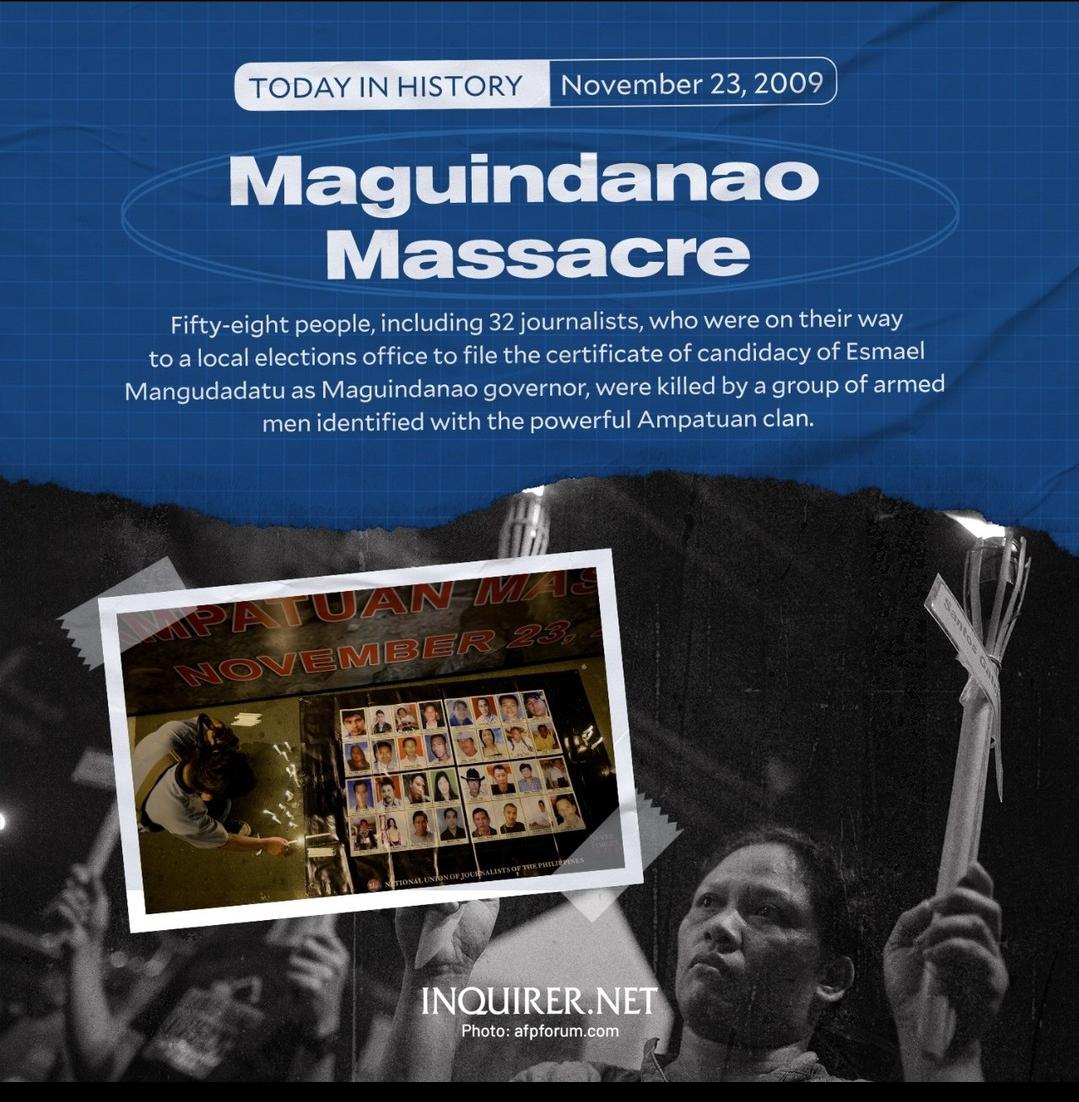
The Presidential Task Force on Media Security (PTFoMS) has reaffirmed its dedication to protecting Filipino journalists and ensuring justice for those affected by media-related violence, coinciding with the 16th anniversary of the 2009 Maguindanao massacre. In an official statement, PTFoMS expressed deep solidarity with the families of the 58 individuals who lost their lives in the deadliest attack against media personnel and election-related violence in Philippine history. The task force honored the fallen journalists and media workers for their fearless commitment to truth-telling. \"Their sacrifice reminds us of the dangers faced by media professionals in the pursuit of press freedom,\" the agency stated. PTFoMS also acknowledged the continuous calls for accountability from the victims’ families, \"This is not merely a demand for retribution; it is a resolute call for an end to impunity and guarantees that such atrocities will never recur,\" it added. The task force pledged to maintain efforts to protect media practitioners, uphold the rule of law, and foster a safe environment that defends press freedom. On November 23, 2009, 58 people—including 32 journalists—were brutally murdered in Ampatuan, Maguindanao. The victims were covering a convoy led by supporters of then Buluan Vice Mayor Esmael Mangudadatu, who was filing his certificate of candidacy to challenge Andal Ampatuan Sr. in the 2010 gubernatorial elections. Over 100 assailants abducted, executed, and buried the convoy members in a mass grave, with six victims unrelated to the convoy. The PTFoMS highlighted the conviction of key suspects, including members of the Ampatuan family in December 2019, as a vital milestone toward justice. However, it recognized ongoing appeals and reaffirmed its commitment to collaborating with stakeholders to ensure comprehensive accountability through legal channels. The agency emphasized that the legacy of the 32 media workers will continue to inspire collective efforts to secure justice for all massacre victims. Similarly, the National Union of Journalists of the Philippines (NUJP) voiced support for the victims’ families, urging resolution of pending appeals, including official recognition of the 58th victim, Reynaldo \"Bebot\" Momay, as well as claims for damages by heirs. The NUJP noted that many conditions confronting media professionals in 2009 persist today, \"Political dynasties remain entrenched, and economic vulnerabilities continue to place media workers at risk amid power struggles,\" it stated. The organization called for ongoing efforts to enhance media safety, maintain editorial independence, and secure living wages for journalists, particularly regional reporters who remain among the most underpaid and exposed within the media community.
Politics
|3 min read
Judicial and Bar Council Now Accepting Applications for Sandiganbayan and Court of Tax Appeals Associate Justice Positions
The Judicial and Bar Council (JBC) has officially opened the application and recommendation process for two associate justice vacancies—one at the Sandiganbayan and another at the Court of Tax Appeals (CTA). The Sandiganbayan vacancy arose on September 1 following the appointment of Associate Justice Theresa Dolores C. Gomez-Estoesta as court administrator. In her new role, she oversees the Supreme Court's administrative supervision of all lower courts nationwide. Meanwhile, the associate justice seat at the CTA will become vacant on January 2, 2026, due to the compulsory retirement of Associate Justice Catherine T. Manahan. As a constitutional body, the JBC is responsible for accepting, vetting, and nominating qualified candidates for positions in the judiciary, the Office of the Ombudsman and its deputies, and the Legal Education Board. The council is chaired ex officio by Chief Justice Alexander G. Gesmundo. Interested applicants and nominators have until January 12, 2026, to submit their materials through the JBC's Online Recommending and Application System (O.R.A.S.) accessible at www.portal.judiciary.gov.ph. JBC ex officio secretary and Supreme Court Clerk of Court, Marife M. Lomibao-Cuevas, urged candidates with existing JBC O.R.A.S. profiles to update their information and complete any additional required fields. She also clarified that applicant qualifications will be evaluated based on their status as of the application date.
Politics
|2 min read
Senator Urges End to Politicization of DSWD Relief Distributions
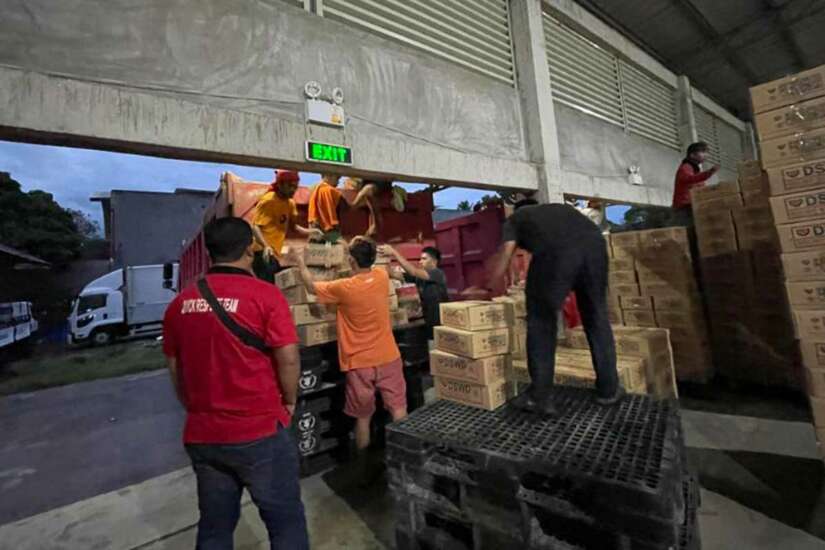
In a recent statement, Senator Robinhood Padilla strongly urged public officials to stop presenting relief goods from the Department of Social Welfare and Development (DSWD) as their personal contributions. He emphasized that these aid packages are funded by taxpayers and government borrowings, not by elected representatives themselves. Addressing the issue on his social media platform, Padilla stated, \"Politicians should cease distributing DSWD relief goods as if they come from them personally. These items belong to all taxpayers and are financed through government funds, not from individual pockets.\" He highlighted the importance of recognizing the dignity and needs of disaster-affected Filipinos, rather than using relief efforts for political gain. Padilla also expressed frustration over the persistence of this practice, noting that despite repeated Senate discussions aimed at preventing the misuse of publicly funded aid, little progress has been observed in actual field operations. \"Our citizens earn our salaries, yet we compete for credit in providing assistance to our fellow Filipinos suffering from poverty and natural calamities,\" he lamented. Echoing these concerns, Senate President Pro Tempore Panfilo Lacson advocated for comprehensive reforms to shield DSWD financial assistance programs from patronage politics, particularly during election periods. He identified the Assistance to Individuals in Crisis Situation (AICS) program as prone to politically motivated distribution spikes coinciding with elections. \"We must rectify the DSWD's budget structure. Assistance should be data-driven with transparent program guidelines, avoiding whimsical or politically motivated allocations,\" Lacson remarked. The Senate has responded by removing questionable budget additions for 2026, including scaled-back allocations and the elimination of the Strengthening Assistance for Social Programs fund. These measures aim to prevent malpractices and ensure aid reaches beneficiaries directly, free from political influence. These calls for reform reflect ongoing efforts to promote transparency and fairness in disaster relief operations across the Philippines.
Politics
|2 min read
Supreme Court Chief Justice Urges Lawyers to Uphold Unity, Integrity Amid National Challenges
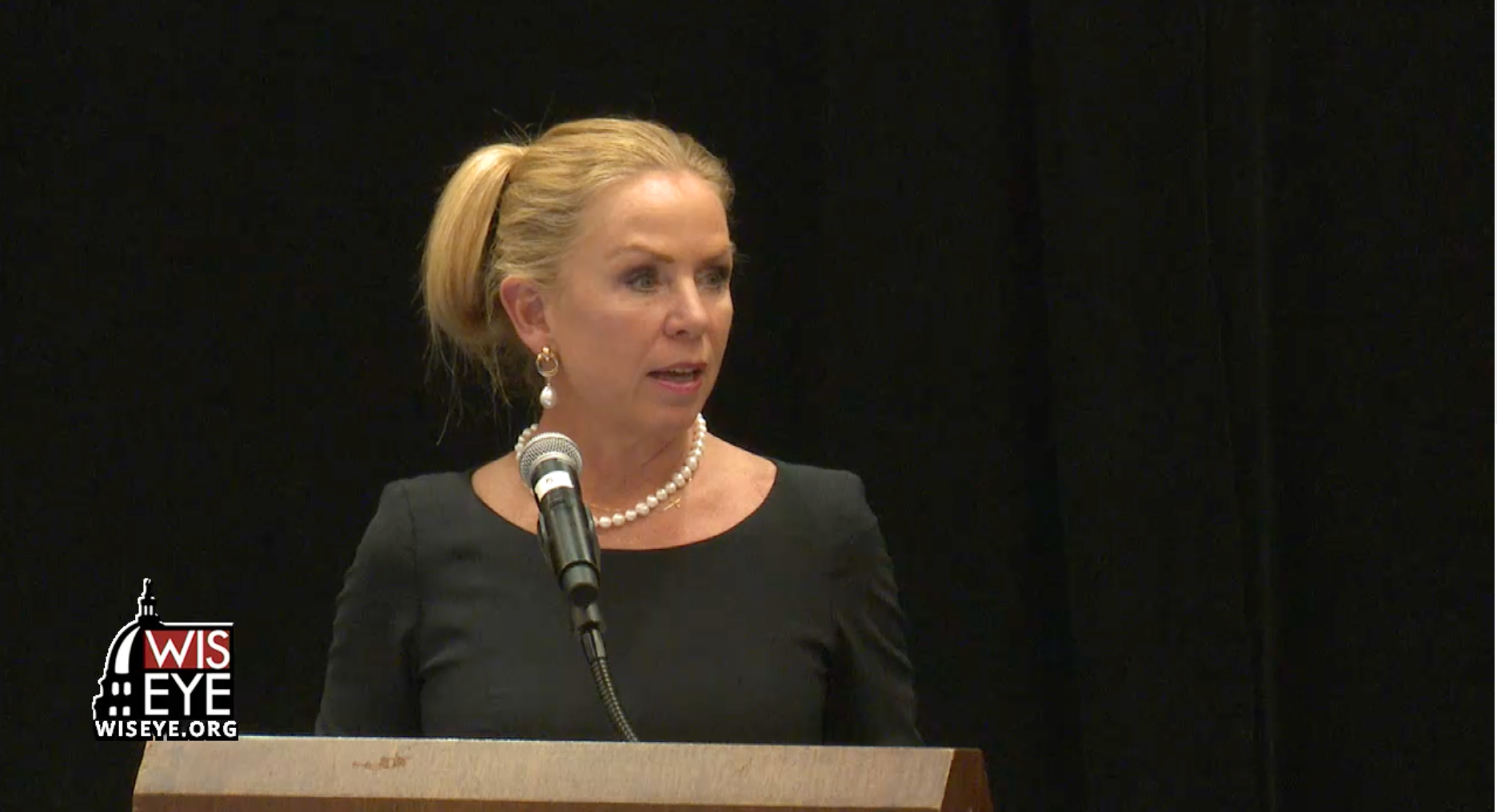
Supreme Court Chief Justice Alexander Gesmundo recently emphasized the crucial role of lawyers in addressing the nation's pressing challenges during his remarks at the Integrated Bar of the Philippines’ 27th House of Delegates Convention. Gesmundo urged members of the legal profession to stand united in defending the Constitution, upholding the rule of law, and embodying the core principles of their vocation. He highlighted their responsibility to be "voices of reason" amidst ongoing political, economic, and social turmoil. He stated, \"It calls us to use our voices not to amplify chaos, but to moderate it, not to inflame, but to enlighten, not to foster vindictiveness, but to craft collaborative, non-partisan, and sustainable solutions to problems of governance. In a world often defined by noise, anger, and division, our unity should become a source of reason, violence, and hope.\" Gesmundo underscored that lawyers’ duties extend beyond mere commentary; they must actively contribute to society as champions of truth and justice. They are reminded to conduct themselves with dignity, avoiding any behavior that could diminish the profession's reputation. He cautioned against superficial activism and condemned online trolling, disinformation, and hate speech, noting these actions erode public trust and tarnish the legal community. Instead, lawyers should enhance public comprehension by providing fact-based, impartial, and well-contextualized legal insights. Moreover, Gesmundo stressed the importance of delivering competent, efficient, and ethical legal services, describing these as the very essence of their calling. Looking ahead, he called for sustainability within the legal profession, emphasizing the need to build, reform, and endure in alignment with the Strategic Plan for Judicial Innovations. Adherence to the Code of Professional Responsibility and Accountability remains paramount. Finally, Gesmundo urged legal practitioners to safeguard democratic institutions and foster patriotism to secure the country’s future. He concluded, \"When we join hands in solidarity, we devote our talents and skills to service and build with long-term sustainability in mind, we strengthen not only the legal profession, but the very foundations of our democracy.\"
Politics
|2 min read

Supreme Court Holds 42 Judges Accountable in 2024 to Reinforce Judicial Integrity
The Supreme Court (SC) has identified 42 judges from various judicial levels as administratively accountable in 2024, underscoring the judiciary’s commitment to integrity and accountability. This was revealed by Associate Justice Maria Filomena Singh during the High-Level Meeting on Judicial Integrity for South and South-East Asia held in Makati City. Justice Singh reported that in addition to the 42 judges sanctioned, the SC also administratively disciplined 166 lawyers and 109 court officials within the same year. Highlighting the importance of ethical conduct in the judiciary, Justice Singh stated, \"Societies cannot be just, peaceful, or democratic unless their courts are independent and their judges act with integrity. Judicial integrity is not a mere philosophical ideal. It is a living ethical commitment. It requires that judges render decisions purely on the law and the evidence, unclouded by personal biases, political pressure, or corrupt influence. It requires courage—both the quiet courage of disciplined restraint and the public courage to resist impropriety in all its forms.\" The Supreme Court’s efforts align with ongoing regional initiatives spearheaded by the United Nations Office on Drugs and Crime (UNODC) and the Office of the UN High Commissioner for Human Rights. These collaborations aim to bolster judicial integrity throughout Asia, ensuring that legal systems remain fair and trustworthy.
Politics
|2 min read
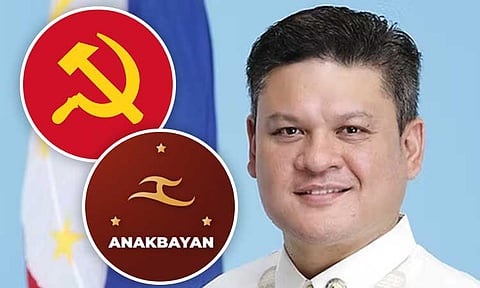
Davao City Rep. Paolo Duterte Declines Invitation by Independent Commission for Infrastructure Probe
Davao City Representative Paolo “Pulong” Duterte has officially declined the Independent Commission for Infrastructure’s (ICI) request to participate in its probe into flood control projects within his district. Duterte shared excerpts of his letter to the ICI on his Facebook page, stating that he believes the commission "appears without power nor jurisdiction over me." He further criticized the invitation as "vague and ambiguous," highlighting the absence of specific details or allegations from the commission’s side. Duterte emphasized that relevant documents and data are already accessible to the Executive branch through government bodies such as the Department of Public Works and Highways and the Department of Budget and Management. "Malacañang need not look to Congress for matters involving projects under the Executive’s supervision," Duterte added, underscoring the proper channel for investigation oversight. This decision contrasts with Duterte’s earlier stance just a day prior, where he welcomed the ICI’s inquiry. At that time, he remarked, "Una sa lahat, I welcome the investigation. Wala tayong tinatago, wala tayong tinatakbuhan, at wala tayong kinakatakutan. Kung may imbestigasyon ang ICI, that is very much welcome." (Firstly, I welcome the investigation. I have nothing to hide, I am not running away from anything, I am not afraid of anything. If there’s an ICI investigation, that is very much welcome.) He had also expressed hope that the probe would clarify the origins of the problems and identify the true beneficiaries of any irregularities, aiming to dispel recurring claims that the Dutertes are responsible for anomalies. "Mas maganda ngang imbestigahan – para makita kung saan talaga nanggaling ang problema at sino ang tunay na nakinabang. Para matapos na ang paulit-ulit na narrative na Duterte ang may kasalanan kahit saan ang anomalya," he stated. (It is better to have an investigation – so that we can see where the problems are coming from and who truly benefited from it. So that the narrative that the Dutertes are to blame for anomalies will end.) Duterte's refusal raises questions regarding the scope of the ICI’s authority and the coordination between congressional and executive oversight on infrastructure development projects.
Politics
|2 min read