
World
World
24 Jan, 2026
WMO Forecasts 55% Chance of Weak La Niña Impacting Global Weather in Early 2026
Jasmine Torres
GENEVA – The World Meteorological Organization (WMO) has released updated forecasts signaling a 55 percent chance of weak La Niña conditions influencing global climate patterns over the next three months. This announcement was made public on Thursday.
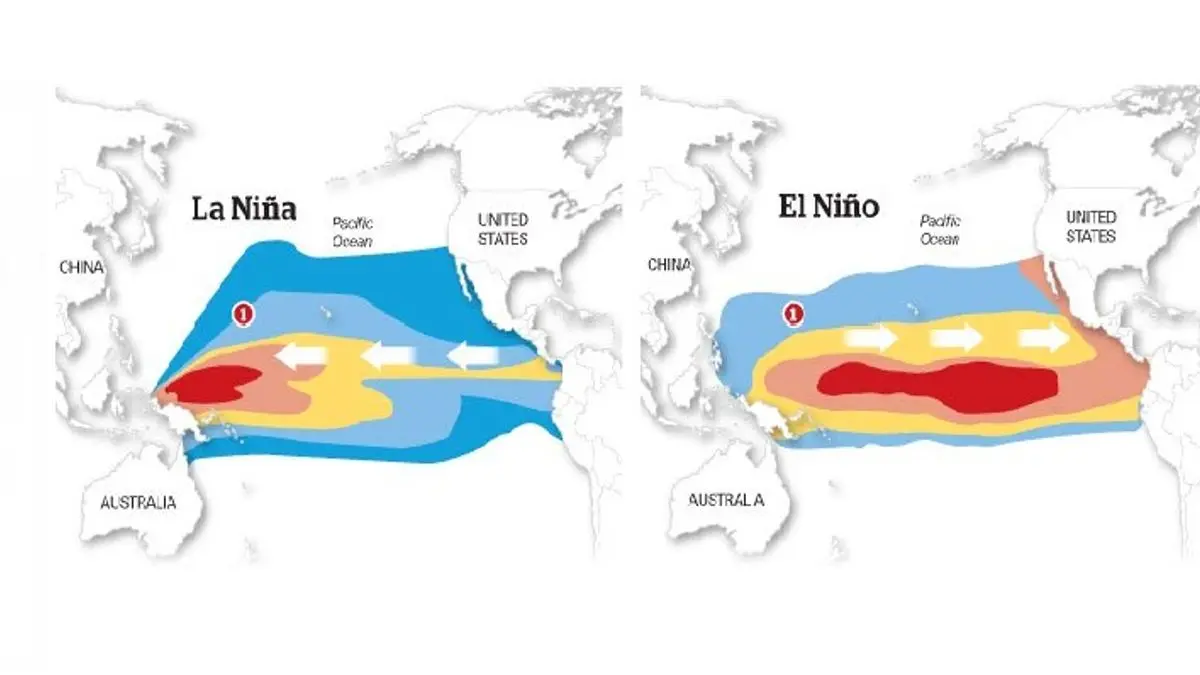
La Niña is characterized by a significant cooling of surface waters in the central and eastern equatorial Pacific Ocean, which affects tropical atmospheric circulation including alterations in winds, pressure systems, and precipitation trends.
Forecast data from the WMO Global Producing Centres for Seasonal Prediction, as of mid-November 2025, indicate oceanic and atmospheric measurements are close to La Niña thresholds. There is a 55 percent likelihood that these conditions will be met between December 2025 and February 2026.
Looking ahead to the early months of 2026, the probability of transitioning to El Niño Southern Oscillation (ENSO)-neutral conditions increases — from roughly 65 percent in January-March to about 75 percent in February-April. The chance of an El Niño event, which generally produces opposite climatic effects, remains low.
WMO Secretary-General Celeste Saulo emphasized the importance of these forecasts, stating, "Seasonal forecasts for El Niño and La Niña are vital tools for sectors impacted by climate variability such as agriculture, energy, health, and transportation. This climate intelligence helps prevent significant economic losses and saves lives."
These naturally occurring large-scale climate phenomena unfold within the broader context of human-driven climate change, which is causing a long-term rise in global temperatures, intensifying extreme weather events, and altering seasonal patterns of rainfall and temperature.
To offer a broader perspective, the WMO regularly publishes Global Seasonal Climate Updates (GSCU) that incorporate the effects of other major climate oscillations such as the North Atlantic Oscillation, Arctic Oscillation, and Indian Ocean Dipole. These reports monitor global and regional temperature and precipitation anomalies and their expected development in the coming months.
The latest GSCU projects above-average temperatures across much of the Northern Hemisphere and large portions of the Southern Hemisphere for the period December 2025 to February 2026. Rainfall forecasts during this timeframe are consistent with patterns typically associated with a weak La Niña phase.
Recommended For You
Bureau of Working Conditions Urges BPO Sector to Strengthen Worker Safety Protocols Amid Disasters
Jan 24, 2026
Roberto Navarro

QCShorts International 2 Highlights Stories of Resistance and Resilience in 2025 Film Program
Jan 24, 2026
Emmanuel Santos
Aboitiz Foods Tops AmCham CSI Awards with Transformative Community Programs
Jan 24, 2026
Ricardo Fernandez
Japan Unveils $135 Billion Economic Stimulus to Counter Inflation and Boost Technology
Jan 24, 2026
Francisco Castillo